Dinosaurs dominated Earth for more than 165 million years, yet many people only think of them during dramatic moments such as hunting prey, fighting rivals, or escaping extinction-level disasters. In reality, most dinosaurs spent their days doing many of the same things modern animals do. They searched for food, avoided danger, cared for their young, interacted with members of their species, rested, traveled, and adapted to changing conditions in their environments.
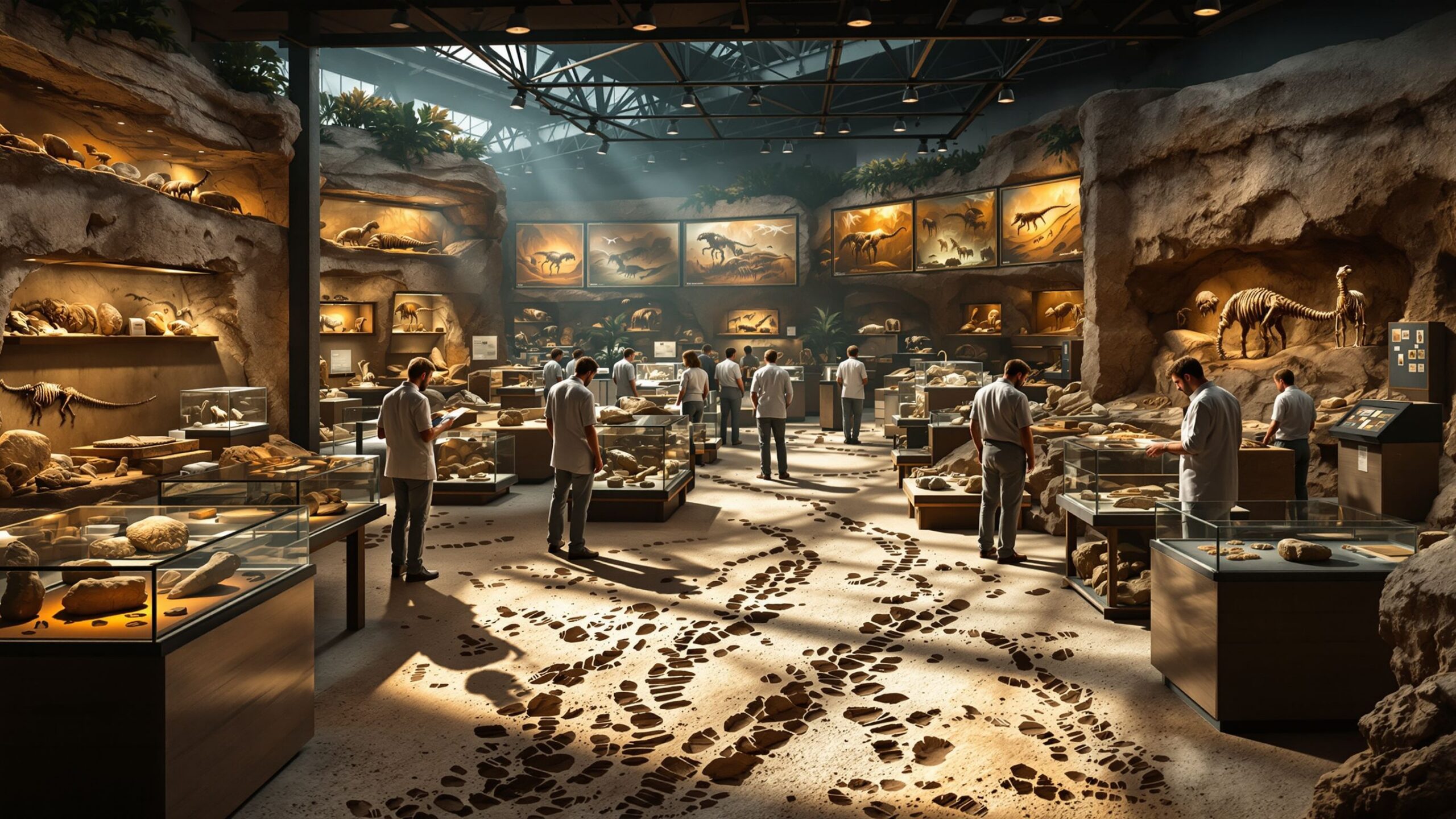
Although no humans ever observed living dinosaurs, fossils provide remarkable clues about their daily lives. Footprints, nests, fossilized stomach contents, bone beds, and comparisons with modern birds and reptiles help scientists reconstruct what an average day may have looked like for these prehistoric animals. While different species lived in different habitats and behaved in different ways, many shared common routines focused on survival.
A giant sauropod browsing through ancient forests likely experienced a very different day than a small feathered predator hunting insects. However, all dinosaurs faced the same basic challenges of finding food, staying safe, reproducing, and conserving energy. By examining fossil evidence and modern scientific research, we can paint a fascinating picture of what life may have been like for dinosaurs as they moved through their prehistoric world.
A: Most likely feeding, searching for water, resting, and avoiding danger.
A: Some species likely did, based on fossil trackways and bone beds.
A: Evidence suggests several species guarded nests and cared for hatchlings.
A: Predators likely hunted when necessary and rested between feeding opportunities.
A: Yes, though exactly how they slept remains uncertain.
A: Some species may have traveled seasonally in search of food and water.
A: They study tracks, nests, fossils, bone beds, and modern animal comparisons.
A: No. Like modern animals, they likely balanced activity with rest.
A: Many scientists believe some species lived and communicated in groups.
A: Finding food, avoiding predators, competing for resources, and surviving environmental changes.
Starting the Day in a Prehistoric World
Just like modern animals, dinosaurs likely began each day by responding to their environment. As sunlight spread across ancient landscapes, temperatures changed, visibility improved, and activity levels increased for many species.
Some dinosaurs may have been most active during daylight hours, while others may have preferred dawn, dusk, or even nighttime. Scientists continue studying fossil evidence to better understand dinosaur activity patterns, but it is likely that different species occupied different schedules depending on their needs.
For herbivorous dinosaurs, the day often began with feeding. Large plant-eaters needed enormous quantities of food to sustain their bodies. Many likely started eating soon after becoming active and continued feeding for much of the day.
Predators may have begun their mornings by surveying their surroundings, locating potential prey, or moving toward areas where food was abundant. Every day started with the same goal: survival.
Feeding Took Up Much of the Day
One of the most important activities in a dinosaur’s life was eating. Finding enough food required significant time and effort, particularly for large species.
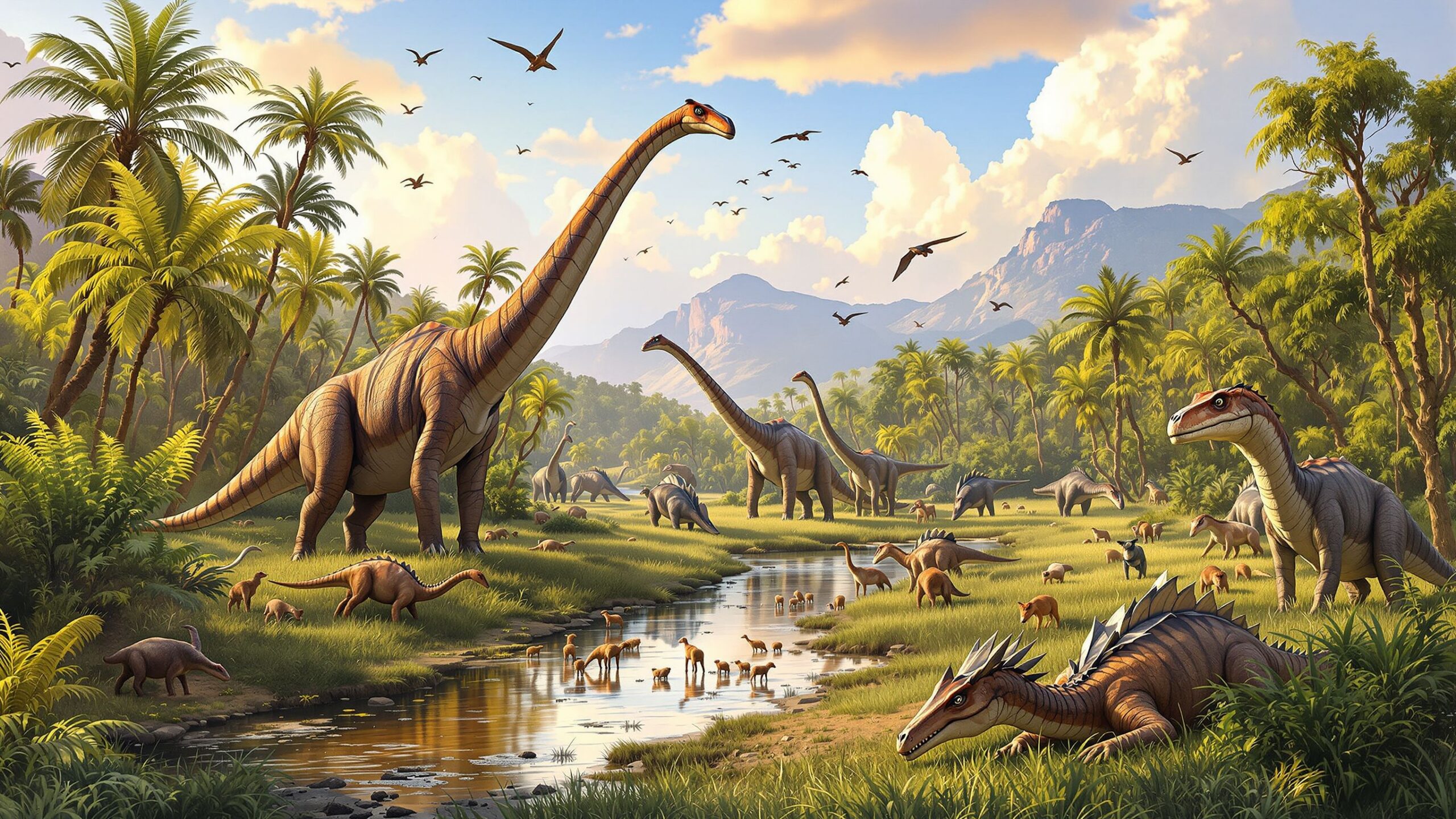
Giant herbivores such as Brachiosaurus and Diplodocus consumed enormous amounts of vegetation every day. Because plants generally provide fewer calories than meat, plant-eating dinosaurs often spent many hours feeding. Their daily routines may have involved slowly moving through forests, floodplains, and open landscapes while continuously browsing on leaves, ferns, and other vegetation.
Duck-billed dinosaurs likely grazed in large groups, moving steadily as they searched for fresh food sources. Horned dinosaurs such as Triceratops may have focused on lower-growing plants and shrubs.
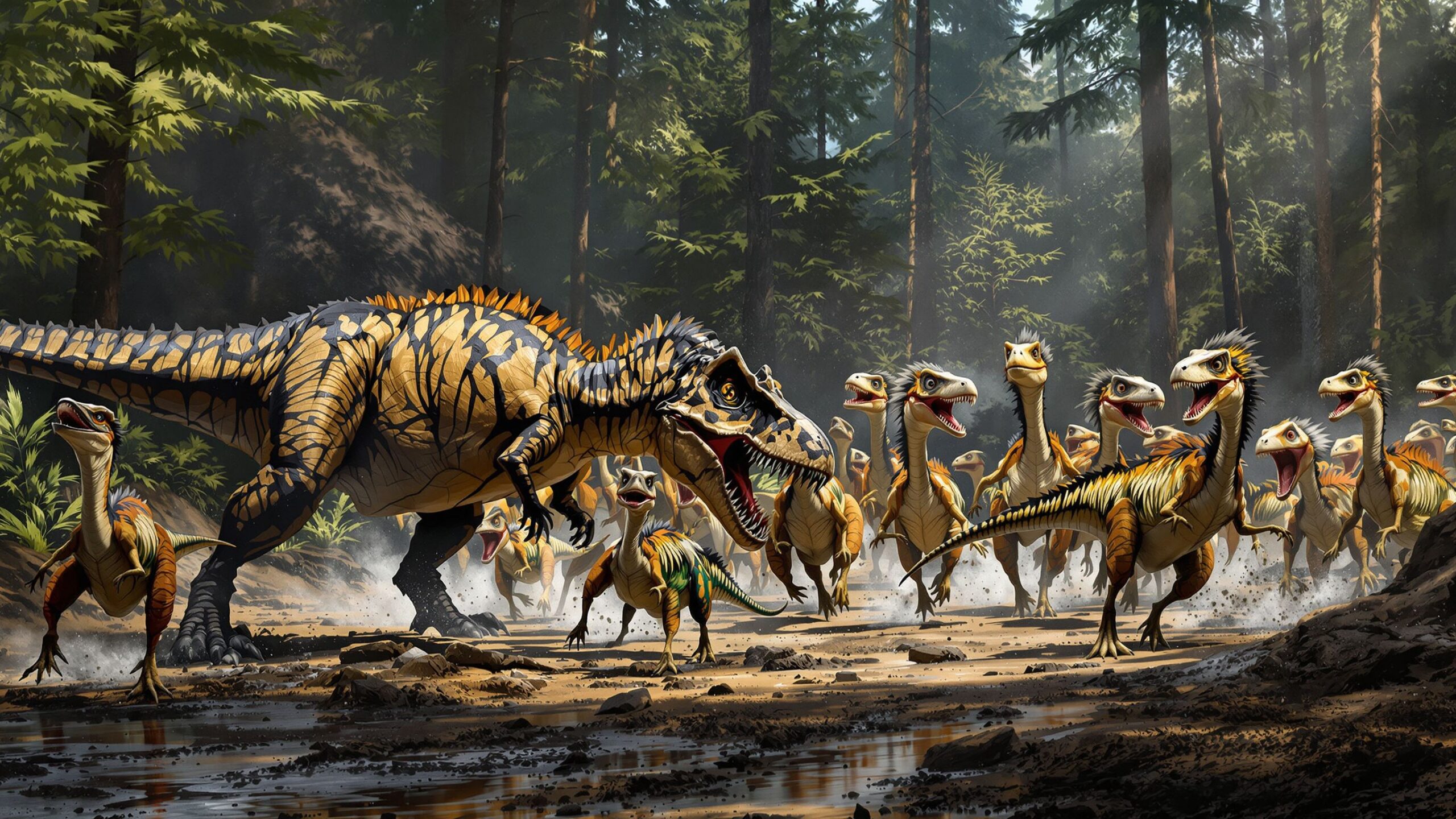
Carnivorous dinosaurs faced different challenges. Instead of constantly eating, predators often spent much of their time searching for prey. Hunting could require patience, observation, and strategic movement. A successful hunt provided substantial nutrition, allowing predators to spend long periods between meals.
Whether herbivore or carnivore, feeding remained one of the most important parts of every dinosaur’s day.
Hunting in the Prehistoric World
For predatory dinosaurs, hunting was both essential and dangerous.
Predators needed to locate prey, approach effectively, and capture it without suffering serious injuries. Even a successful hunter risked being wounded by struggling prey animals. A broken bone or severe injury could threaten survival.
Some predators likely relied on ambush tactics. By remaining hidden among vegetation or natural terrain features, they could attack unsuspecting prey with sudden bursts of speed.
Others may have actively pursued prey across open landscapes. Smaller, agile predators probably hunted differently than massive species such as Tyrannosaurus rex.
Scientists continue debating whether some carnivorous dinosaurs hunted cooperatively. Fossil evidence suggests that at least certain species may have lived or traveled in groups, potentially increasing hunting efficiency.
Regardless of strategy, hunting represented one of the most challenging and important activities in a predator’s daily routine.
Staying Alert for Danger
Life in the age of dinosaurs was not without risks.
Herbivorous dinosaurs constantly needed to remain aware of predators. Large eyes, keen senses, and group living may have helped detect threats before attacks occurred.
Even massive animals faced dangers. Young dinosaurs were particularly vulnerable to predators and likely depended heavily on parental protection or herd behavior.
Smaller dinosaurs had additional concerns. They not only avoided large predators but also competed with other animals for resources.
Remaining alert was a full-time responsibility. Every movement, sound, and scent could provide important information about nearby opportunities or dangers.
The need for constant awareness influenced how dinosaurs fed, traveled, rested, and interacted with their environments.
Living in Herds and Social Groups
Many dinosaurs may have spent much of their daily lives surrounded by others.
Evidence from fossil trackways and large bone beds suggests that numerous species traveled in groups. Herd living offered several advantages, including improved protection from predators, increased awareness of danger, and greater success finding resources.
Large herds of herbivorous dinosaurs may have moved together across vast landscapes in search of food and water. Young animals benefited from the safety provided by numbers.
Social interactions likely occupied part of each day. Dinosaurs may have communicated through body language, vocalizations, displays, or other behaviors.
Some species probably formed temporary groups, while others may have maintained long-term social structures. Although scientists continue investigating dinosaur social behavior, fossil evidence increasingly suggests that many species were more socially complex than once believed.
Caring for Young
Raising offspring was another important aspect of dinosaur daily life.
Numerous fossil discoveries indicate that many dinosaurs invested considerable effort in caring for their young. Fossil nests, eggs, embryos, and nesting colonies provide evidence of reproductive behavior and parental care.
Adult dinosaurs may have guarded nests against predators, protected hatchlings, and helped young animals survive during vulnerable stages of development.
Some species likely remained with their offspring for extended periods after hatching. Others may have provided limited care before the young became independent.
Caring for offspring required time, energy, and vigilance, making it a significant part of daily life for many dinosaurs.
Traveling and Migration
Many dinosaurs likely spent portions of their day traveling.
Food sources changed throughout the year, water availability fluctuated, and environmental conditions varied across landscapes. These factors often required movement.
Large herbivores may have traveled considerable distances while searching for vegetation. Some scientists believe certain species undertook seasonal migrations similar to those seen in modern animals.
Fossil evidence suggests that some dinosaur herds moved together across extensive regions. These journeys may have lasted days, weeks, or even months.
Predators often followed prey populations, leading them to travel as well.
Movement was an essential component of survival and shaped many aspects of dinosaur behavior.
Visiting Water Sources
Water played a central role in dinosaur life.
Like all animals, dinosaurs required water to survive. Rivers, lakes, wetlands, and seasonal water sources attracted numerous species.
Many daily activities likely centered around these locations. Dinosaurs gathered to drink, feed on nearby vegetation, cool off during hot conditions, and interact with other animals.
Water sources also created opportunities and dangers. Predators may have targeted animals visiting popular watering areas, while herbivores remained cautious when approaching these locations.
Ancient waterways often served as important gathering places within prehistoric ecosystems.
Communicating with Other Dinosaurs
Dinosaurs likely communicated in a variety of ways.
Although scientists cannot directly observe dinosaur communication, fossil evidence and comparisons with modern animals suggest numerous possibilities.
Body posture, visual displays, color patterns, crests, horns, and feathers may have helped convey information. Some dinosaurs possessed elaborate structures that appear designed for display purposes.
Certain species may have produced sounds using specialized anatomical features. Hollow crests found in some dinosaurs could have functioned as resonating chambers that amplified calls.
Communication helped individuals locate mates, warn others of danger, establish territory, and maintain social bonds.
Daily life likely involved far more interaction than many people realize.
Resting and Conserving Energy
Dinosaurs could not spend every moment moving, feeding, or hunting.
Rest was essential for maintaining health and conserving energy. Large animals especially benefited from periods of reduced activity.
Some dinosaurs may have rested during the hottest parts of the day, becoming more active during cooler morning or evening hours. Others likely followed different schedules depending on their environment and physiology.
Fossil evidence suggests that certain dinosaurs adopted resting positions similar to those of modern birds. Some specimens have even been discovered preserved in sleeping postures.
These discoveries provide fascinating glimpses into quieter moments of dinosaur life.
Sleeping in the Age of Dinosaurs
Sleep played an important role in dinosaur survival.
Although scientists cannot determine exactly how dinosaurs slept, modern birds offer valuable clues. Since birds evolved from dinosaurs, some sleeping behaviors may share ancient origins.
Small feathered dinosaurs may have tucked their heads beneath their forelimbs while sleeping, much like many birds do today. Fossil evidence has preserved examples of dinosaurs in curled resting positions remarkably similar to sleeping birds.
Larger dinosaurs may have slept standing, lying down, or alternating between different positions.
Sleep allowed animals to recover energy while preparing for the challenges of another day.
Dealing with Weather and Seasons
Dinosaurs experienced changing weather just like modern animals.
Rain, drought, heat, cold, storms, and seasonal shifts influenced daily activities. Animals needed to adapt their behavior to changing conditions.
During hot periods, dinosaurs may have sought shade, visited water sources, or reduced activity levels. During cooler conditions, they may have increased movement to maintain body temperature.
Seasonal changes affected food availability, migration patterns, reproduction, and social behavior.
Successfully responding to environmental changes was critical for long-term survival.
Competition and Territory
Dinosaurs did not live in isolation. They shared environments with numerous other species competing for resources.
Herbivores competed for food. Predators competed for prey. Individuals may have competed for mates, nesting sites, and territory.
Display structures such as horns, crests, and frills may have helped establish dominance while reducing the need for dangerous physical confrontations.
Competition influenced daily decisions and shaped many aspects of dinosaur behavior.
Survival often depended on balancing aggression with energy conservation.
A Typical Day for Different Dinosaurs
The daily routine of a giant sauropod likely centered around feeding, traveling, drinking, and resting. Much of the day may have been spent consuming vegetation and moving between feeding areas.
A predator such as Tyrannosaurus rex may have devoted significant time to searching for prey, monitoring its surroundings, and conserving energy between hunting opportunities.
Small feathered dinosaurs probably experienced highly active days filled with foraging, avoiding predators, social interactions, and nesting activities.
Each species occupied its own ecological role, resulting in unique daily schedules and behaviors.
Conclusion
What dinosaurs did all day was remarkably similar to what modern animals do today. They searched for food, avoided danger, raised young, communicated with others, traveled through their environments, and rested when necessary. Their lives were shaped by the constant challenges of survival and reproduction in a dynamic prehistoric world.
Although the age of dinosaurs ended approximately 66 million years ago, fossils continue revealing extraordinary details about their daily routines. Footprints, nests, bone beds, and fossilized remains provide valuable clues that allow scientists to reconstruct how these animals lived from sunrise to sunset.
The picture that emerges is not one of monsters constantly fighting for survival but of complex animals carrying out ordinary daily activities. They fed, slept, socialized, migrated, cared for offspring, and adapted to changing environments just as countless species do today. Understanding dinosaur daily life brings these ancient creatures closer to us and reminds us that even the most extraordinary animals spent much of their time simply living their lives.