How Did Dinosaurs Communicate With Each Other?
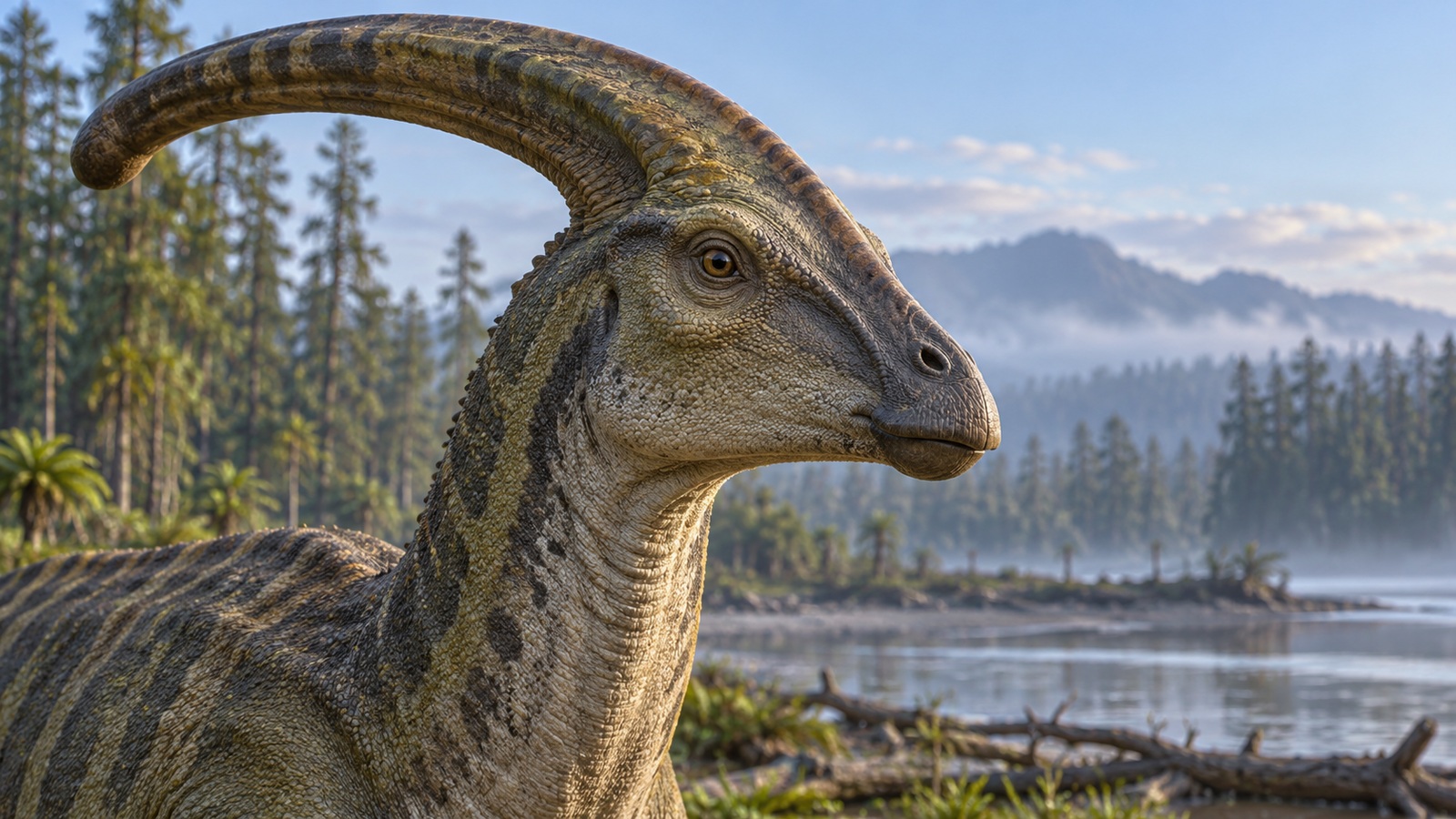
Dinosaurs may have communicated with crests, posture, feathers, and varied sounds. Learn what anatomy can reveal about signals and why fossil calls remain uncertain.

Where Prehistory Comes Alive
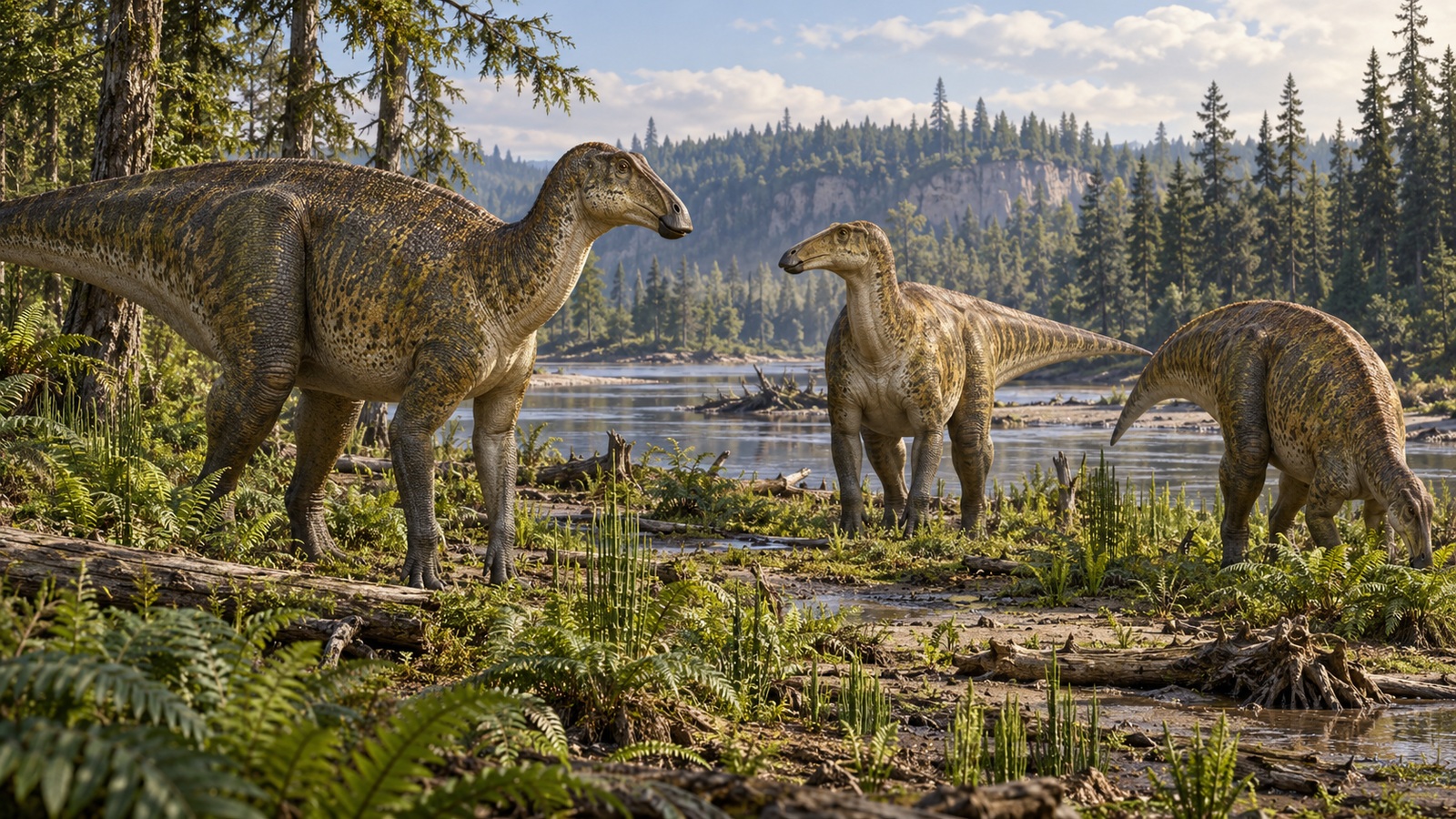
Dinosaurs may have communicated with crests, posture, feathers, and varied sounds. Learn what anatomy can reveal about signals and why fossil calls remain uncertain.
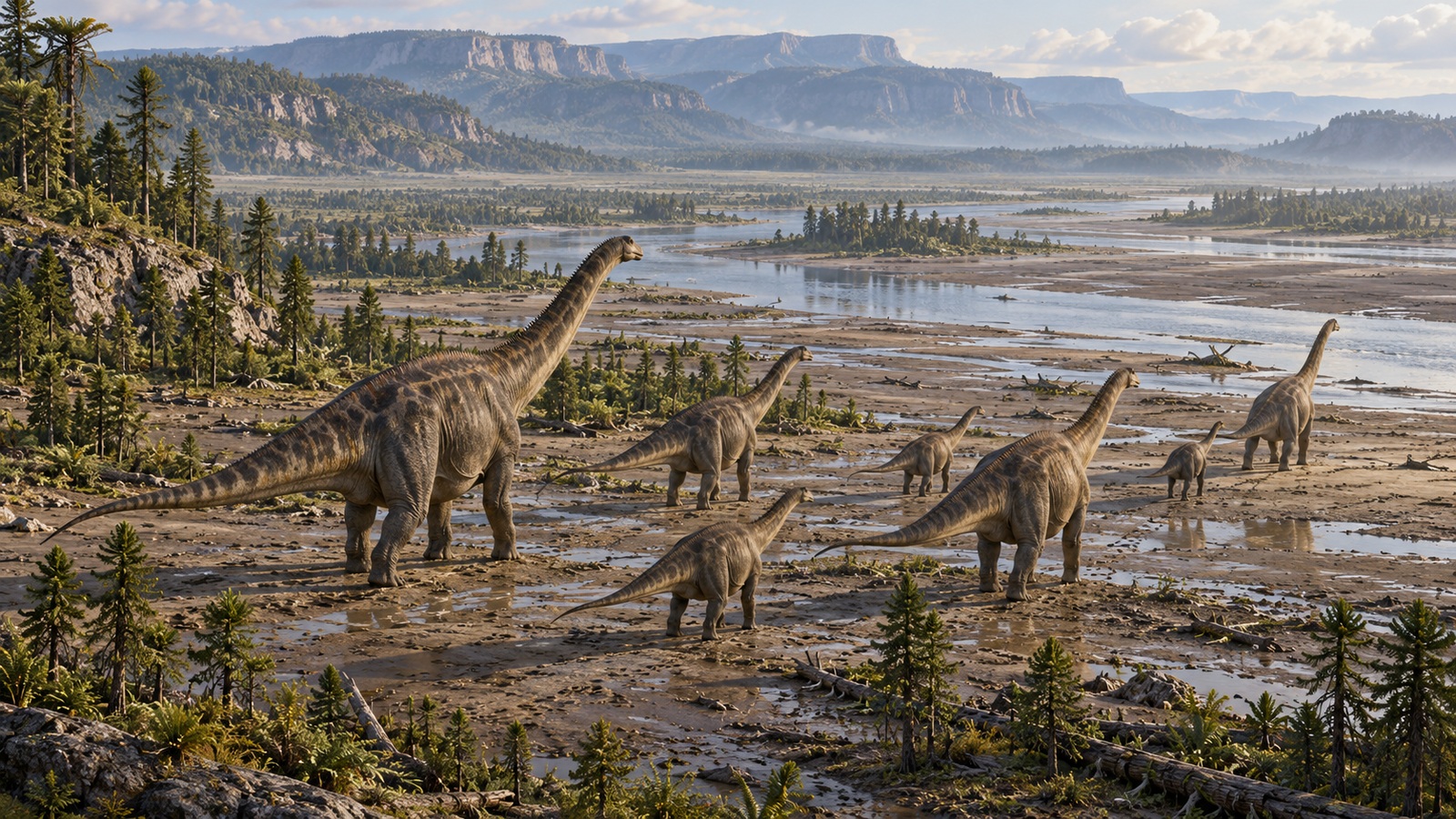
Parallel footprints and crowded bonebeds suggest dinosaur herds, but timing and geology decide how strong the case is. Learn how paleontologists test group travel.
Some dinosaurs associated in groups, but a crowd is not automatically a cooperative society. Explore nests, bonebeds, displays, and the limits of social reconstructions.
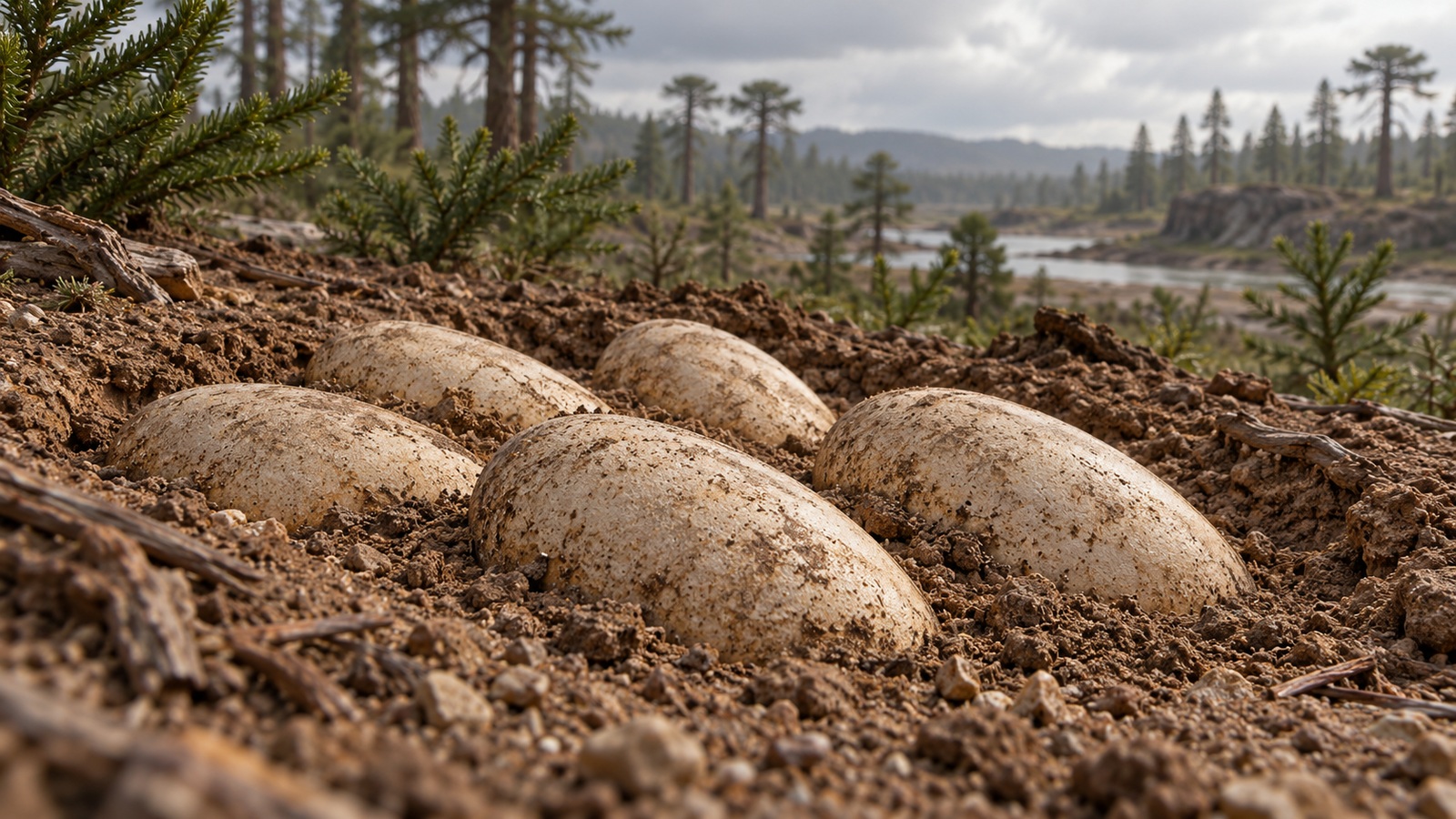
Fossil clutches reveal how dinosaurs built, laid, and incubated eggs. Discover what shell layers, paired arrangements, buried nests, and embryos can tell us.
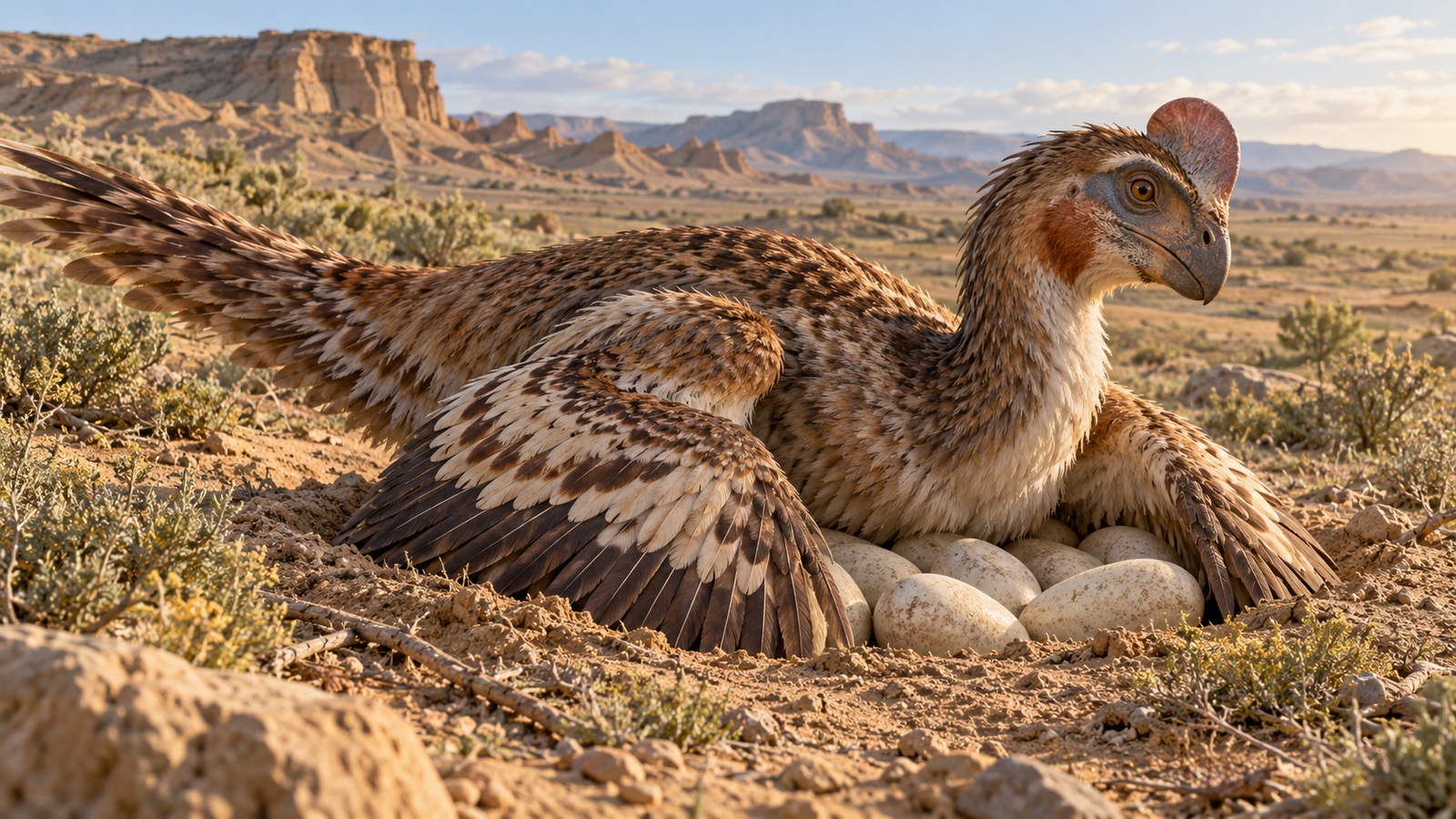
Dinosaur reproduction involved much more than laying eggs. Explore the fossil clues to courtship, nests, incubation, hatchlings, and parental care.
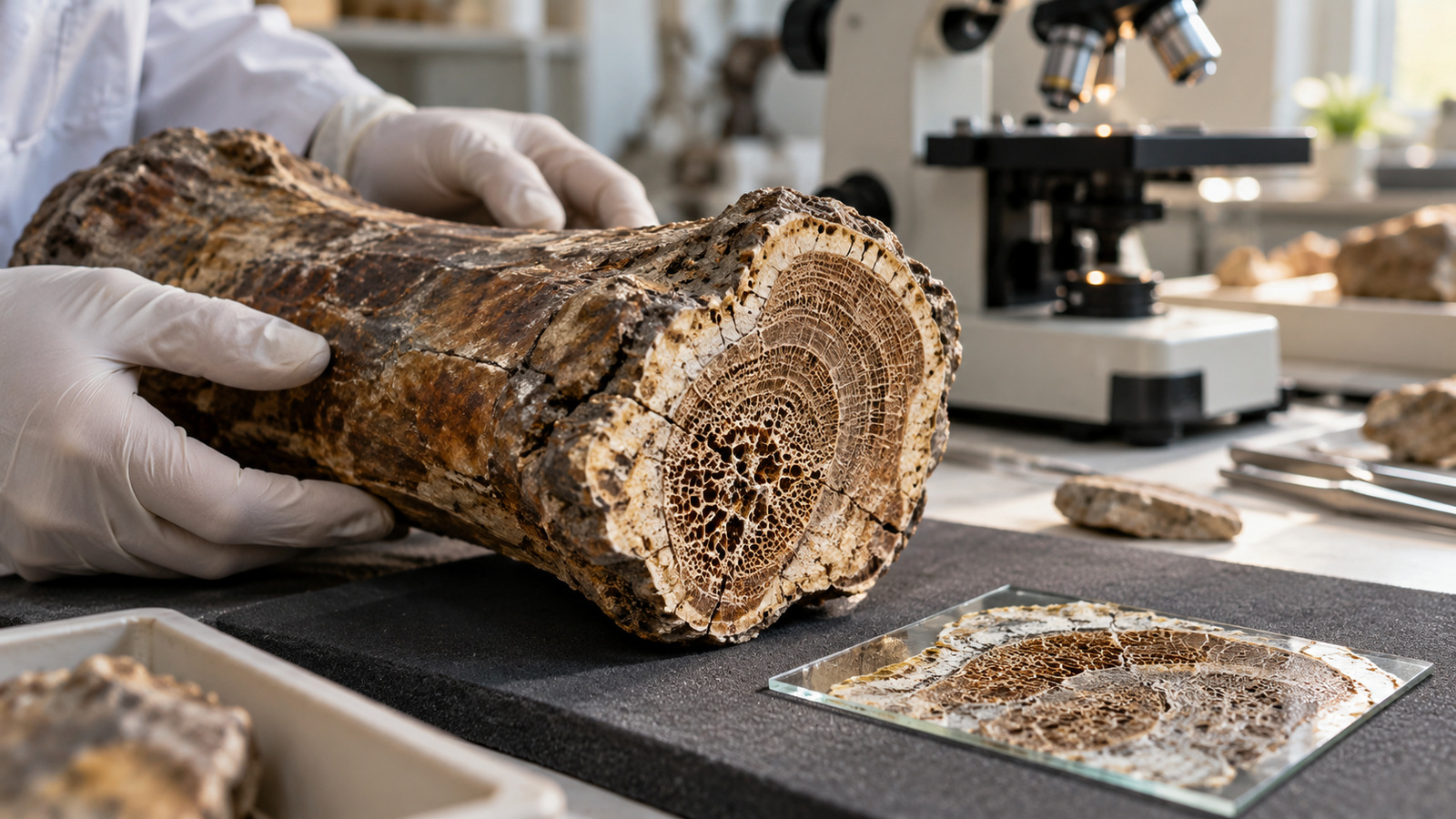
A fossil can be millions of years old while the animal lived for only years or decades. Learn how bone tissues reveal a dinosaur’s age at death.
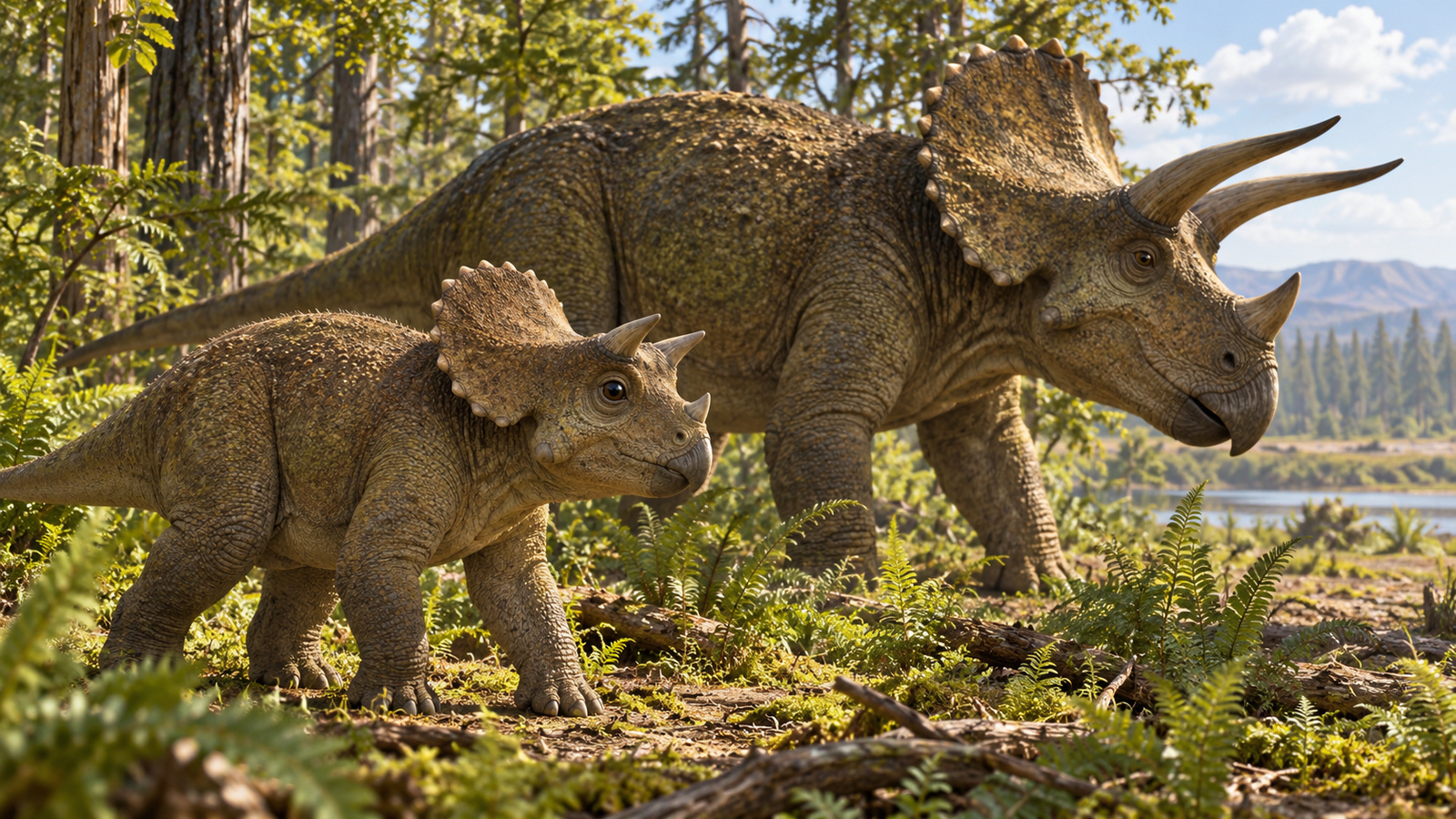
Baby dinosaurs often differed from adults in shape, movement, food, and defenses. Explore how fossils reveal the transformations hidden within a dinosaur lifetime.
Dinosaur growth was recorded inside living bone. Discover how researchers estimate growth rates, recognize maturity, and explain the journey from hatchling to giant.
Birds, crocodilians, and mammals offer clues to dinosaur gaits. Learn which comparisons work, which mislead, and what bones and footprints can test.
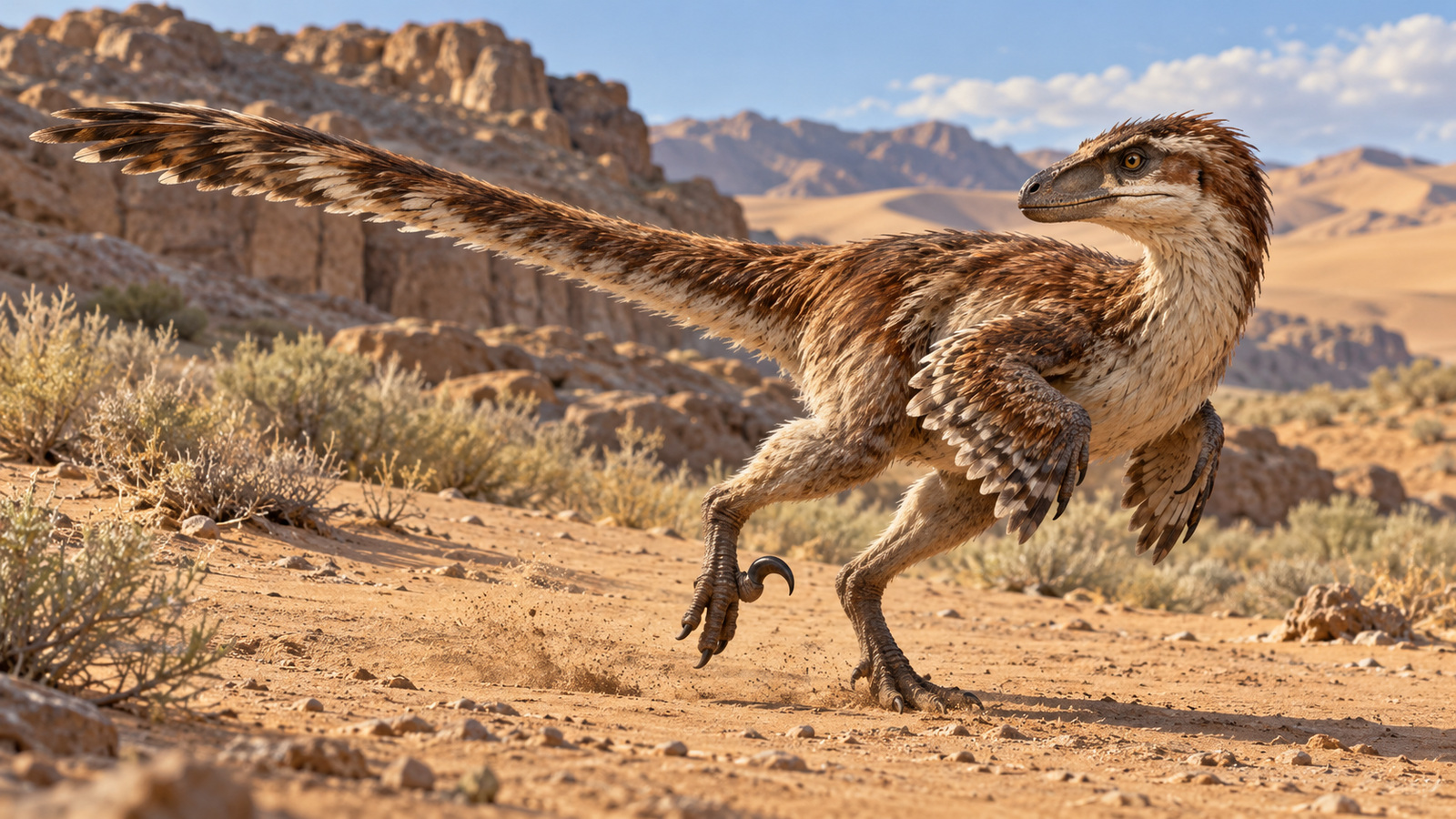
Velociraptor was an agile feathered predator, but its exact top speed is uncertain. Explore the anatomy behind running, turning, balance, and prey handling.
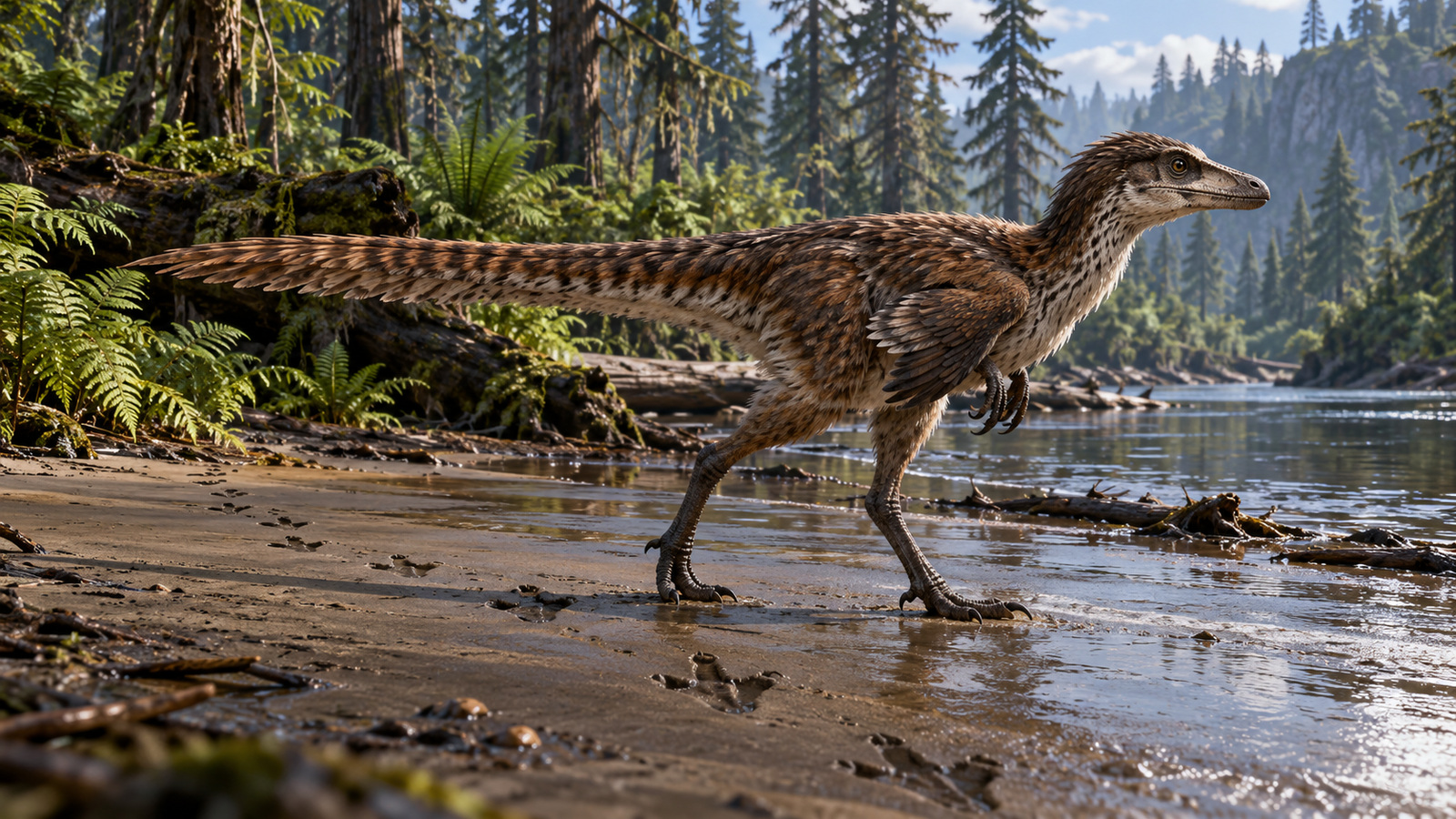
Dinosaur footprints and skeletons reveal upright limbs, balanced bodies, varied gaits, and the mechanical limits behind prehistoric movement.
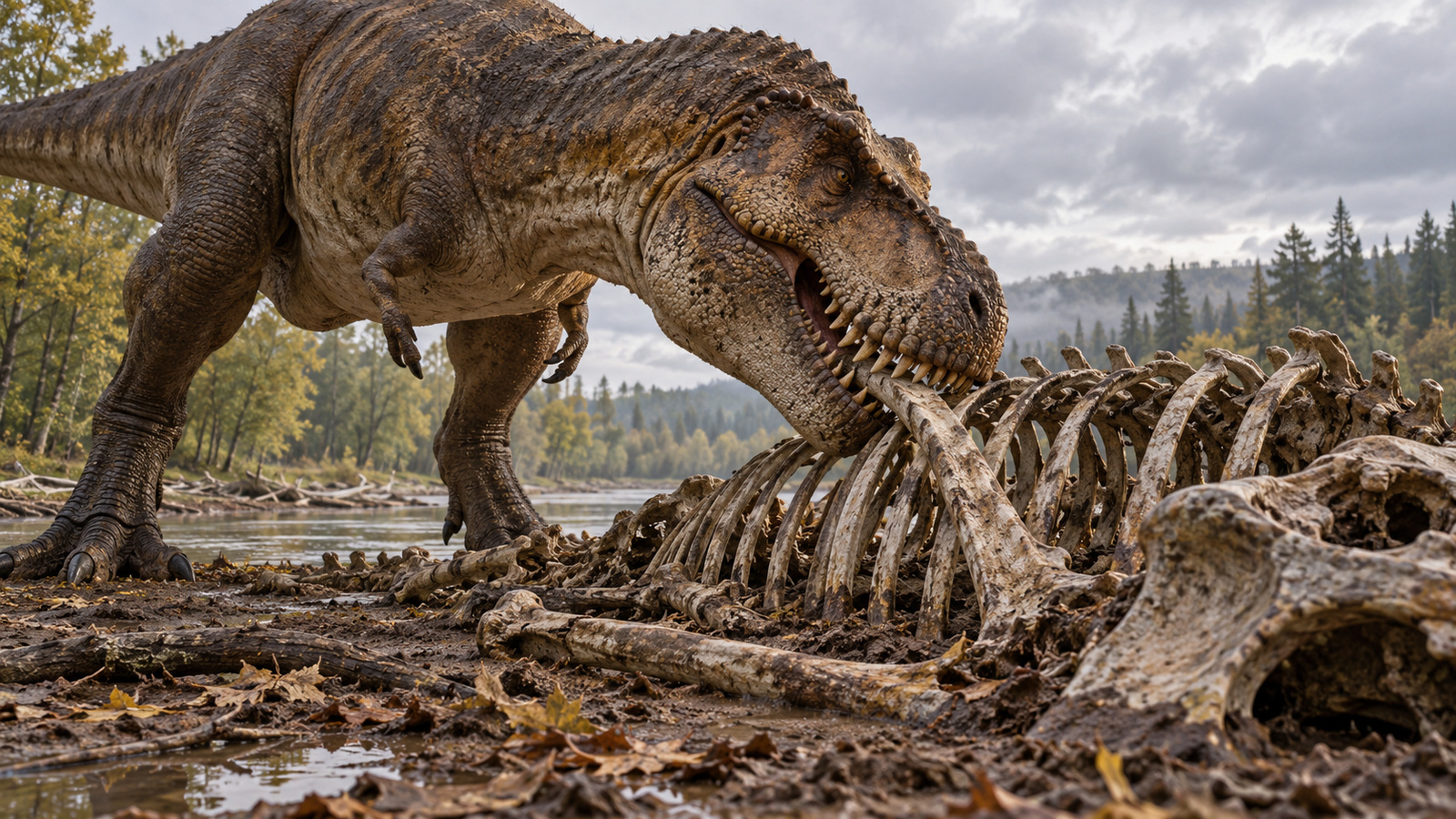
Tooth marks, healed injuries, and powerful jaws reveal how T. rex fed. Discover its likely foods and why hunting and scavenging both belong in the story.